
We are very fortunate to have been supported again by the Patrick J McGovern Foundation for significant enhancements of Earth Index, our core AI driven technology. Their recent grant of $600,000 will enable us to engage with partners on three use cases, providing direct data enabled impacts aligned to their mission, and implement several technical enhancements that will broadly benefit the Earth Index user base.
Accountable supply chains: Open Supply Hub is a global leader in driving transformative transparency in global supply chains, ultimately ensuring accountability and better decision making in commodity production. Earth Genome will help them develop scalable mapping capability for millions of production locations currently unlocated.
Biodiversity status and monitoring: Global conservation NGOs want to support increasing commitments by corporations and policy makers to pursue nature-based solutions. We will develop Earth Index features to support identifying optimal locations for nature-based solutions, and to monitor the status of biodiversity at those sites.
Sustainable food systems: This use case will build on our groundbreaking and award-winning project “The Plotline”, and our recent work to map commodity crops and animal processing facilities at global scale, Food Twin. We will partner with an action-oriented partner to produce critical insights for transition to sustainable agricultural practices.
We can’t thank the McGovern Foundation enough for its commitment to “Unlock AI and data approaches for betterment of humanity.” That commitment requires a mindset of exploration, experimentation, learning, and a sense of urgency. Very resonant with our values of exploration, speed, and change. We couldn’t be more honored to be their trusted partner.
Other articles
.png)
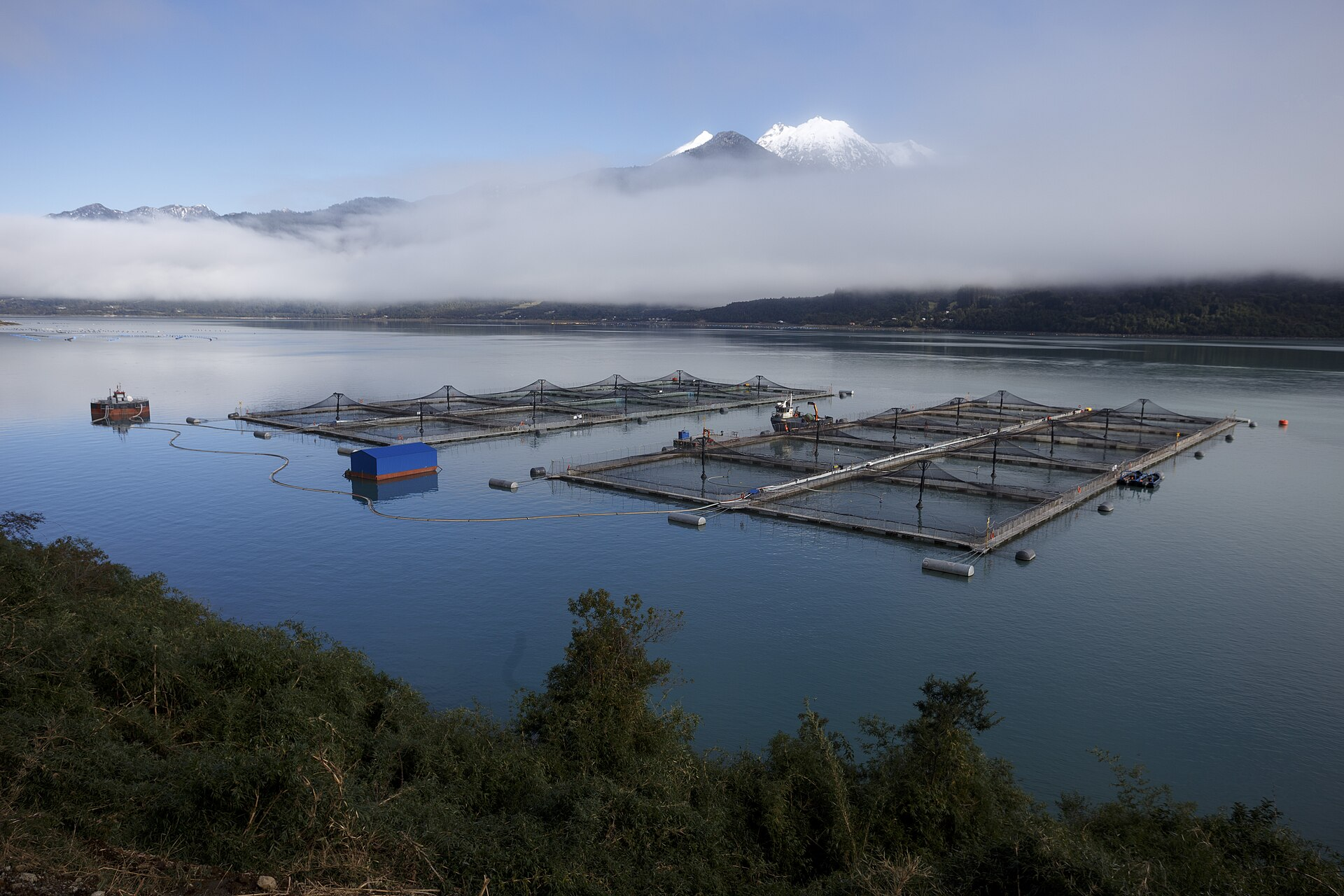
Using Earth Index as an independent validation tool for aquaculture regulations in Chile
Earth Index offers an independent satellite monitoring solution for global aquaculture, empowering regulators, researchers, and non-profits to ensure compliance and sustainable practices.


Two Foundation Models Are Better Than One
A Second-Stage Classifier on AlphaEarth Embeddings, and the Case for Domain-Specific FMs
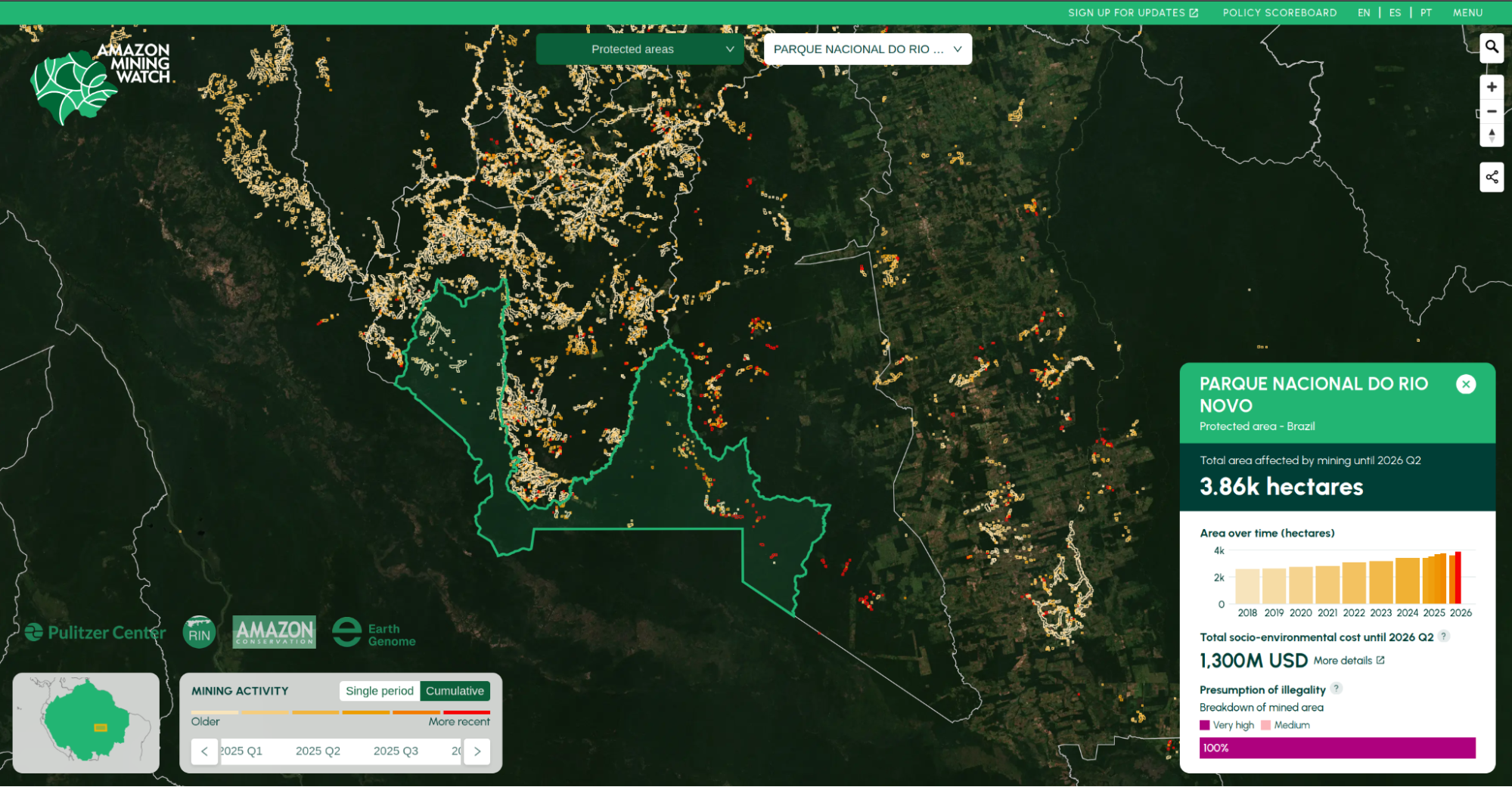
Amazon Mining Watch: August 2026 Update
We are releasing new machine learning models and a new data series, in a full data replacement update for Amazon Mining Watch, through the second quarter of 2026.
