
How can AI be used to broaden the reach of conservation research?
We recently had the opportunity to work with Conservation International investigating how to use AI to make their environmental research more accessible. Through a series of experiments combining large language models with geospatial data, we developed new ways to allow people to engage with complex environmental research, particularly focusing on Conservation International’s Not Just Carbon portfolio of work to advance the non-carbon benefits of forests highlighted in WRI’s report. In our work we found that AI can be an incredible tool to effectively translate complex research for different audiences, from policymakers to teachers, multilingual capabilities can dramatically expand research reach, and interactive visualizations powered by AI can make data more intuitive and engaging. Below we share more about our process and findings to help others that are working on similar projects.
Project Structure
Scientists know that forests are even more important for stabilizing the climate than usually understood by local and regional stakeholders and policymakers. By influencing rainfall patterns and reducing local temperatures, forests also affect agriculture production, local health, and water security. Conservation International came to us with this body of research, and the challenge of making it relevant to hundreds of local and regional policy makers and stakeholders, each with different interests.
Working with large language models is very much an experimental endeavor. As such we structured the project in a series of short 2-week sprints that would allow the team to pivot into many different areas. Between each sprint we’d meet with the Conservation International team to discuss the prototypes we developed and sketch up what we’d continue building in the next sprint and which new ideas we may want to pursue.
Before the project and throughout the various experiments, the Conservation International team shared with us relevant reports, research papers, and other content. They also put us in touch with the scientists conducting research to hear more about the parts of their work they thought was most interesting and to get feedback on the prototypes that our team was building out.
The prototypes were deployed on a live demo site and refined throughout the project
The Anatomy of a Generative AI Product
Most of the prototypes we built were using the Assistants API from OpenAI. The ways these work is you script a prompt that controls how the agent responds to an input. Sometimes we’d use one of these assistants, but we’d often chain them together to produce multiple responses or process inputs in different ways. We developed a common vernacular to help us explain our architectures which we detail below.
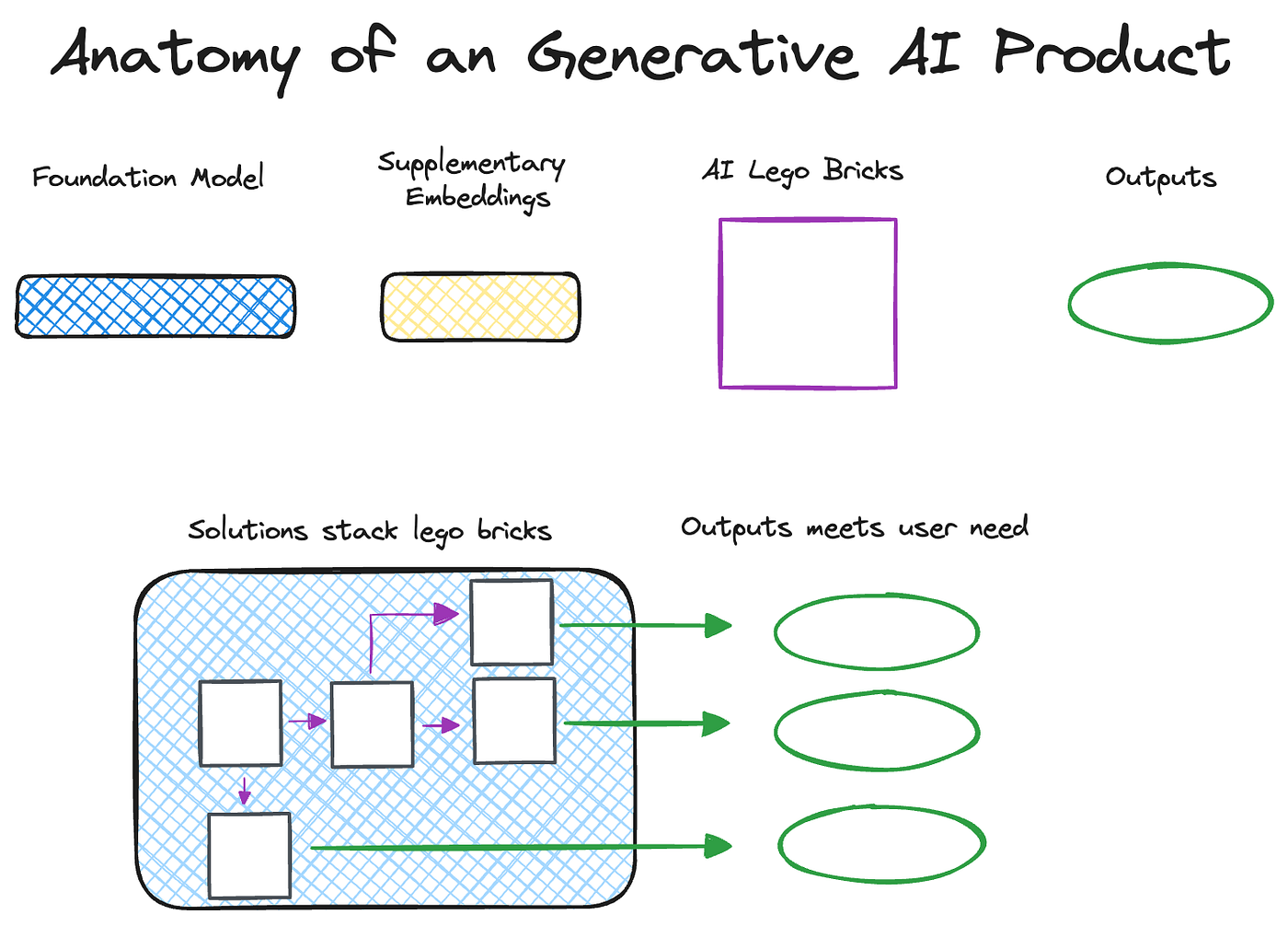
Overview of Demos built
We built several demos, but the two detailed below were the two that showed the most promise at the end of the project.
CI AI Research Paper Chat
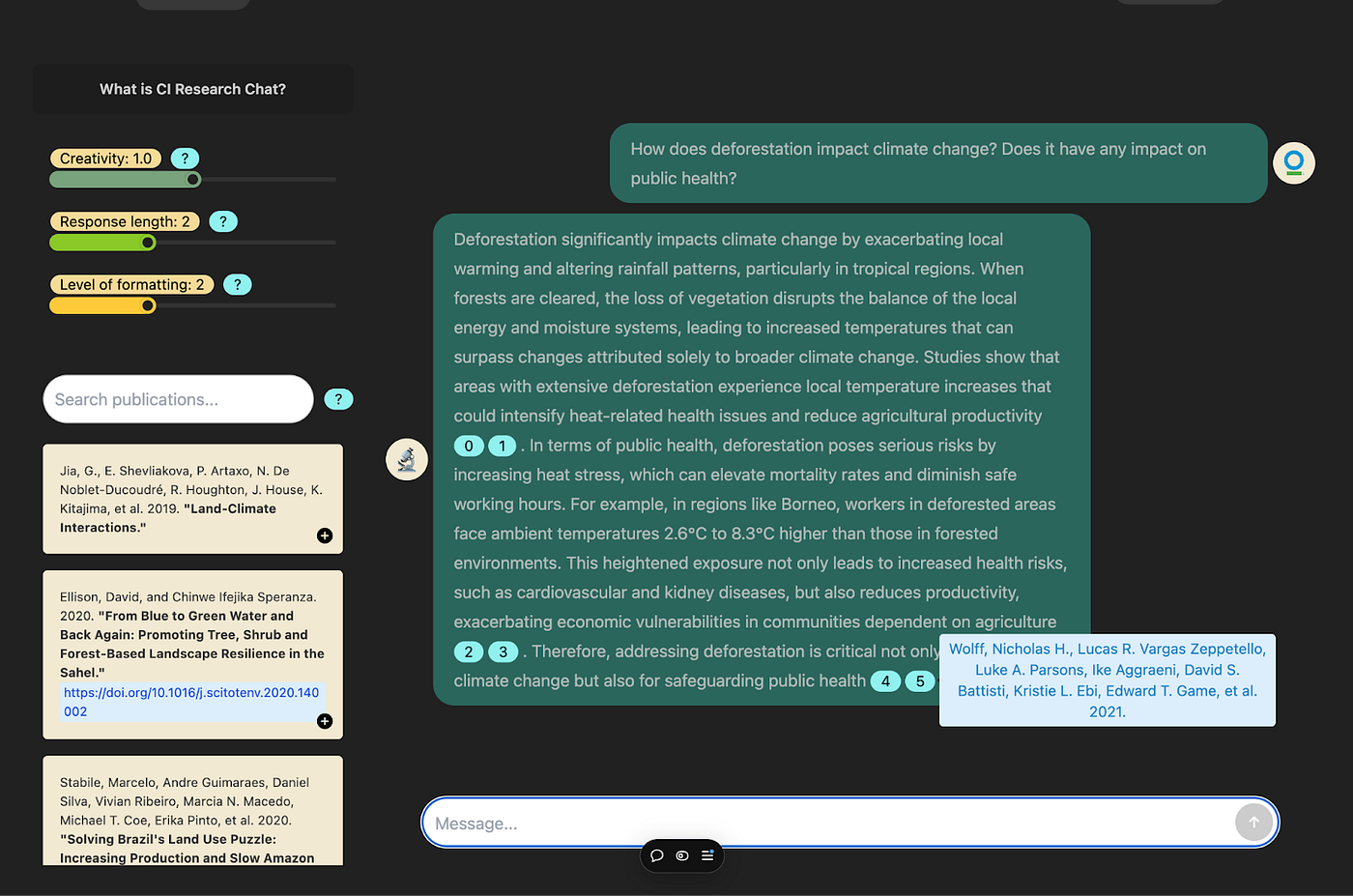
Imagine having a conversation with an expert who has read over 100 research papers about climate change and conservation. That’s what we’ve created with the CI AI Research Paper Chat. Users can interact with different AI personas — from researchers to policy experts to teachers — each offering unique perspectives on Conservation International’s research.
The system goes beyond simple question-and-answer interactions. Users can customize responses based on their needs, adjusting for creativity, length, and formatting. For educators, there’s even an option to specify grade level for responses. Most importantly, every response is grounded in actual research papers, with direct citations that users can click through to access the original sources. Check it out here.
Interactive AI-Powered Map Visualization

Our second major experiment combines multiple environmental datasets into an interactive map that responds to natural language queries. When users ask questions about heat, deforestation, or climate change impacts on health, the AI automatically styles the map to highlight relevant data in meaningful ways. The system not only visualizes the data but also provides context about what you’re seeing and suggests related datasets to explore. You can find the prototype here.
Key Learnings
Through this project, we learned a lot about how AI can make environmental research more accessible:
AI can greatly broaden the reach of research findings: Our experiments showed that AI can help people engage with scientific content in more natural and intuitive ways. For instance, most research is published in English, but using AI someone can ask questions about a corpus of research and the AI model will respond in the language of the user. Of course it can also be tailored to explain content in more engaging and digestible ways.
The Power of Multiple Perspectives: Different users need different approaches. A policymaker might want technical details and methodologies, while a teacher might need grade-appropriate explanations of the same concepts. Our multi-persona approach helps serve these diverse needs.
The Importance of Data Infrastructure: One of our key findings was the need for better standardization and accessibility of research data. Making environmental data more structured and accessible would greatly enhance our ability to build tools with AI that access and use that data to produce compelling summaries and visualizations.
Looking Forward
This project represents just the beginning of what’s possible when we combine AI with environmental research. We see enormous potential for:
- Building AI assistants that launch alongside major research publications
- Leveraging AI for multilingual access to research
- Creating more interactive, data-driven visualizations of environmental changes
- Developing tools that help researchers synthesize findings across multiple studies
Try It Yourself
We invite you to explore our experiments. Whether you’re a researcher, journalist, educator, or simply someone interested in environmental conservation, these tools offer new ways to engage with important environmental research.
The code for this project is open source and available on GitHub. We welcome contributions and feedback from the community as we continue to develop these tools.
If you have ideas for how AI can increase accessibility of climate research drop a note in the comments below!
Other articles
.png)
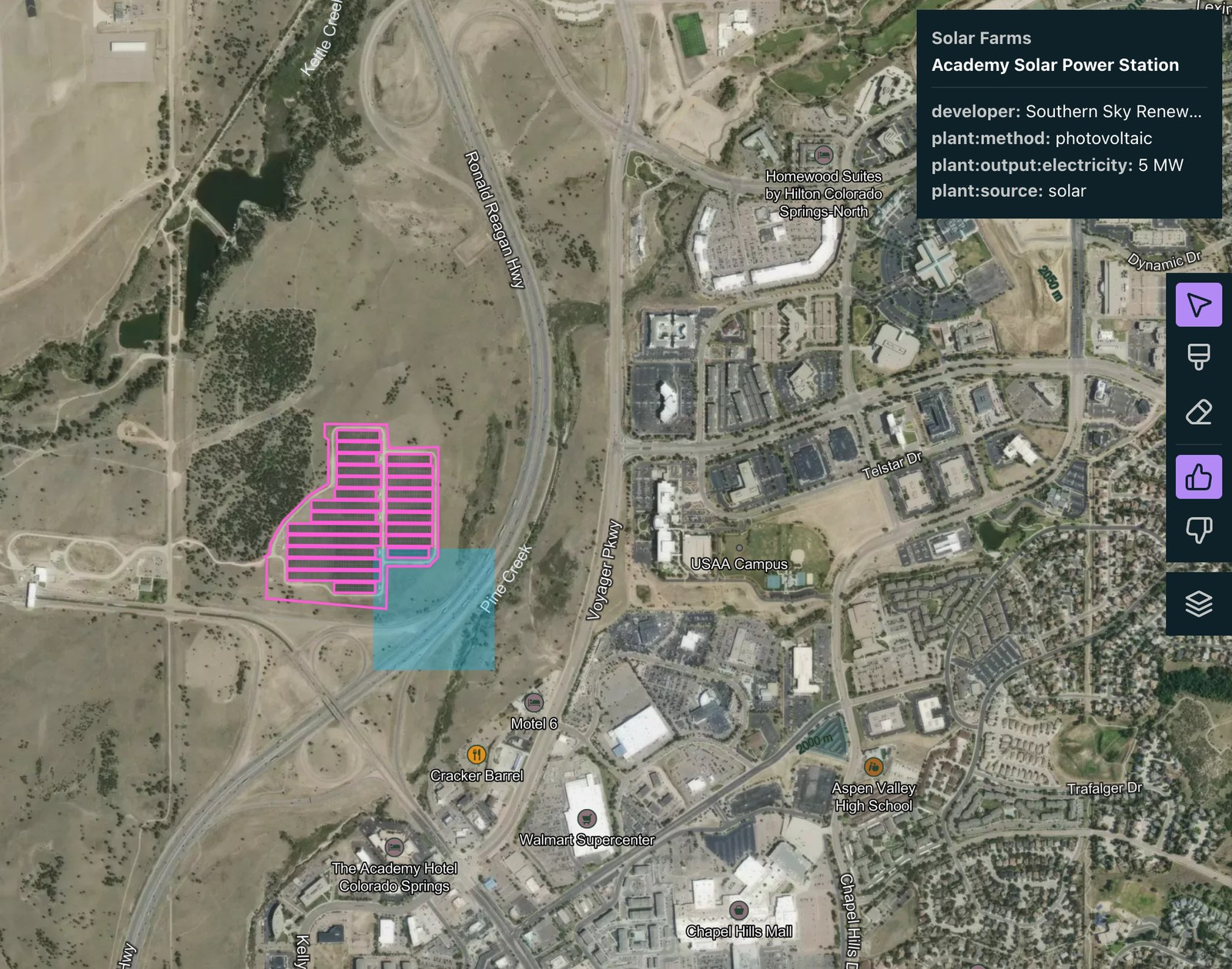
Search for Stuff: build a map layer by describing what you want to find
You can now create reference layers in Earth Index by describing what you want to find in plain language.

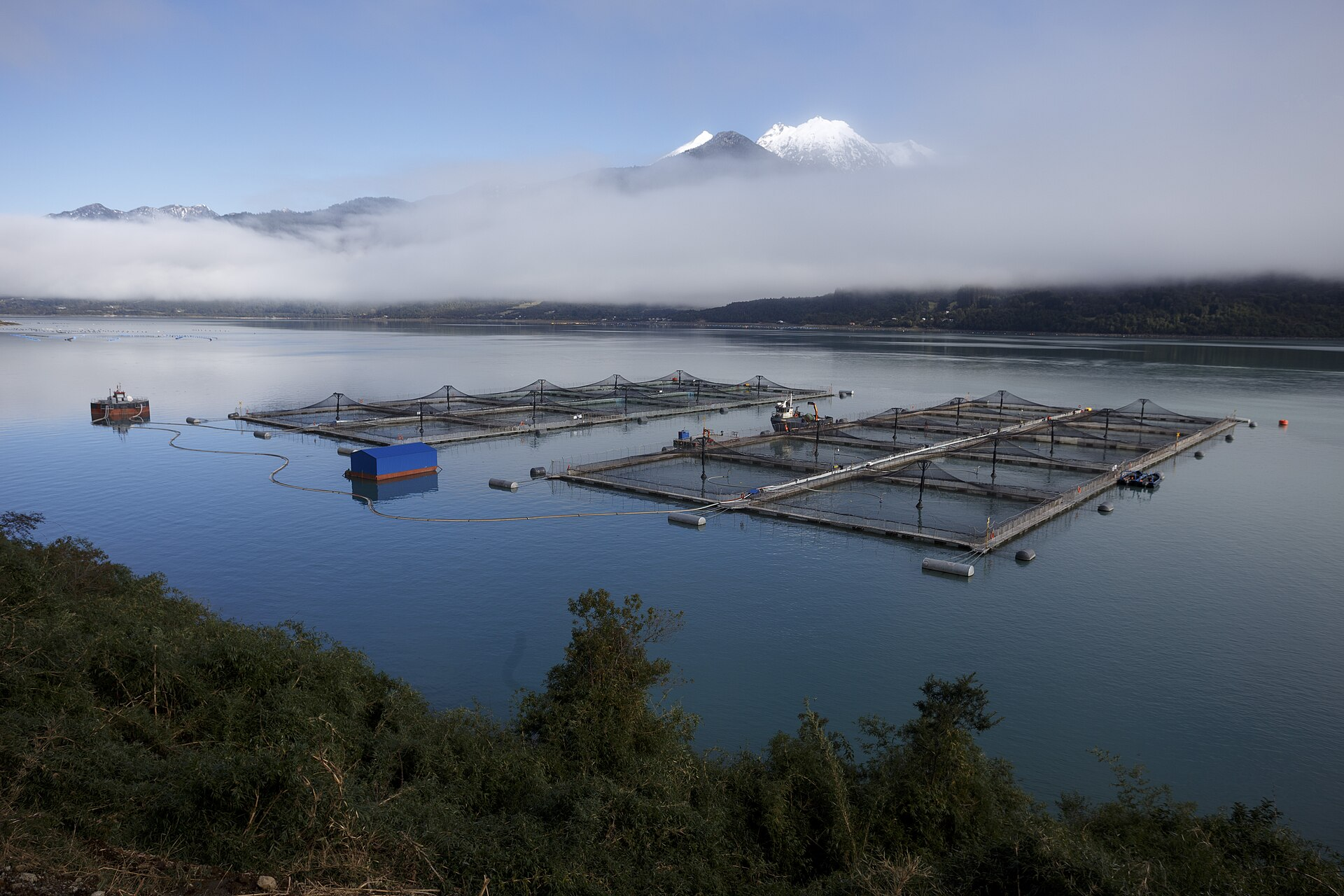
Using Earth Index as an independent validation tool for aquaculture regulations in Chile
Earth Index offers an independent satellite monitoring solution for global aquaculture, empowering regulators, researchers, and non-profits to ensure compliance and sustainable practices.


Two Foundation Models Are Better Than One
A Second-Stage Classifier on AlphaEarth Embeddings, and the Case for Domain-Specific FMs